When Should Your Child First See an Orthodontist?
If you’re wondering about the right time for your child’s first orthodontic evaluation, you’re not alone. Many parents are surprised to learn that the American Association of Orthodontists recommends scheduling an initial orthodontic consultation by age 7, well before all permanent teeth have come in.
Why Age 7 for an Orthodontic Evaluation?
Around age 7, your child has a mix of baby teeth and permanent teeth. This gives Dr. Marston the perfect opportunity to evaluate how your child’s jaw is developing and how their permanent teeth are coming in. Even if your child’s smile looks fine to you, an experienced orthodontist can spot potential issues that are easier to address early.
Does Early Evaluation Mean Braces Right Away?
Not necessarily. Early orthodontic evaluations are about creating a personalized timeline for your child. Dr. Marston monitors your child’s growth and development, then recommends treatment only when the timing is right for the best long-term results.
Benefits of Early Orthodontic Treatment
Common Issues We Treat in Children
Early detection and treatment of these common childhood orthodontic issues can prevent more complex problems later.
Crowding
When there isn’t enough space for permanent teeth to emerge properly
Spacing
Gaps between teeth that may affect function and appearance
Crossbites
When upper teeth bite inside lower teeth, affecting jaw development
Overbites
When upper front teeth stick out too far over lower teeth
Underbites
When lower teeth protrude past upper teeth
Harmful Habits
Thumb sucking, tongue thrusting, or mouth breathing patterns
Kid-Friendly Treatment Options
We offer gentle, effective treatments designed specifically for children’s growing smiles and active lifestyles.
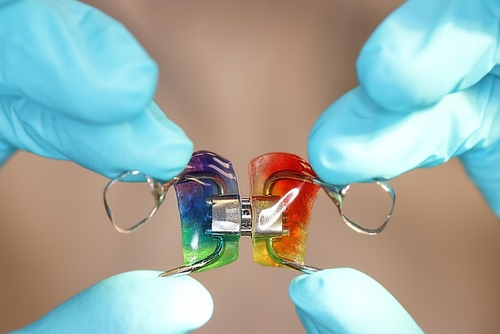
Palatal Expanders
Gentle appliances that gradually widen the upper jaw to create space for permanent teeth and improve breathing.
- Creates space for crowded teeth
- Improves airway and breathing
- Corrects crossbites naturally
- Works with natural growth patterns
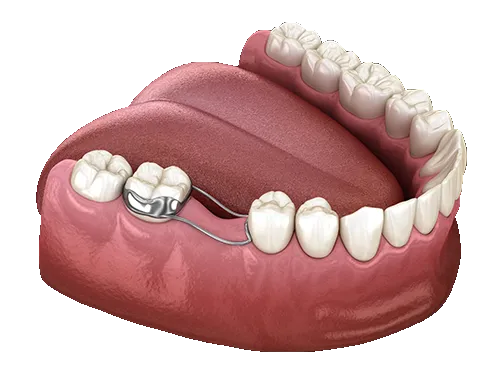
Space Maintainers
Holding Space for Permanent Teeth
Custom appliances that hold space when baby teeth are lost early, ensuring permanent teeth have room to emerge properly.
- Prevents teeth from shifting
- Maintains proper spacing
- Reduces need for future extractions
- Comfortable and discrete
What is Two-Phase Orthodontic Treatment?
Two-phase orthodontic treatment is a specialized process that combines early intervention (Phase 1) during childhood with comprehensive treatment (Phase 2) during the teenage years. This approach takes advantage of a child’s natural growth and development to achieve the best possible results.
The first phase typically occurs between ages 6-10 when children still have most of their baby teeth. The second phase begins around age 11-13 when most permanent teeth have emerged. This sequential approach allows us to address problems at the most optimal times.

Understanding Each Phase
Each phase has specific goals and treatments designed to work with your child’s natural development.
Phase 1 Early Treatment (Ages 7-10)
Goals & Treatments:
- Correct crossbites and severe crowding
- Guide jaw growth and development
- Create space for permanent teeth
- Address harmful oral habits
- Improve facial symmetry
- Reduce risk of trauma to protruding teeth
Common Appliances:
Expanders, partial braces, Invisalign First, retainers, and growth modification appliances.
Phase 2 Comprehensive Treatment (Ages 11-14)
Goals & Treatments:
- Align all permanent teeth properly
- Perfect the bite and jaw function
- Fine-tune tooth positioning
- Establish proper contacts between teeth
- Ensure long-term stability
- Complete the smile transformation
Common Appliances:
Full braces, clear braces, Invisalign Teen,
and retention appliances.
Making Orthodontics Fun for Kids
We believe orthodontic care should be a positive, fun experience that children look forward to.
Kid-Friendly Environment
Welcoming, colorful spaces designed to make children feel comfortable and excited about their visits
Rewards & Recognition
Fun reward systems to celebrate progress and encourage good oral hygiene habits
Gentle Approach
Patient, caring treatment that builds trust and confidence with every visit
Family Involvement
We work closely with parents to ensure the best care and support at home
Questions Parents Ask
Get answers to the most common questions about orthodontic care for children.
When should my child first see an orthodontist?
The American Association of Orthodontists recommends children have their first orthodontic evaluation by age 7. This doesn’t mean treatment will start immediately, but it allows us to monitor development and identify the optimal time for intervention if needed.
Will my child need braces later if they have early treatment?
Early treatment creates a healthy foundation, but some children may need additional treatment when all permanent teeth have emerged. However, early intervention often reduces the complexity and duration of any future treatment needed.
How do I prepare my child for their first orthodontic visit?
Explain that the orthodontist is a special dentist who helps make smiles healthy and beautiful. Emphasize that the first visit is just to look at their teeth and take pictures. Let them know it won’t hurt and that they’ll learn about keeping their teeth healthy.
How much does orthodontic treatment for children cost?
Treatment costs vary depending on your child’s specific needs. We offer flexible payment plans and work with most insurance providers. Early treatment is often more cost-effective than waiting, as it can prevent more complex issues from developing.
Can my child still play sports during treatment?
Absolutely! We encourage children to stay active. For contact sports, we’ll provide a protective mouthguard. Many treatments like Invisalign First can be removed during sports activities, making participation even easier.